


Written and medically reviewed by W. van Donselaar, doctor, BIG 79020681301, on 15 June 2026.
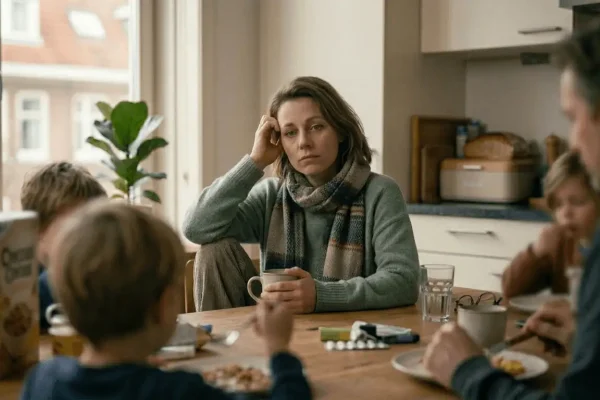
Some people feel different than usual whilst taking Ozempic. A bit more downcast, a bit more flat, or sometimes actually calmer. This raises the question: does the medication affect your mood? The short answer: there are indications, but no firm conclusions. Research is still ongoing. Below, you can read what we do know and what you can do if you notice any changes in yourself.
Are you worried about yourself or someone else right now? Call your GP or the GP out-of-hours service. If you are having dark thoughts or thoughts of suicide, call 113 Suicide Prevention directly on 0800 0113 or chat via 113.nl. Help is free and anonymous.
What does the research say?
In 2023, the European Medicines Agency (EMA) conducted a specific review of reports concerning GLP-1 agonists such as Ozempic and mood-related symptoms, including suicidal thoughts. This review was prompted by isolated reports from users in Europe.
The study ran for over a year. The conclusion at the end of 2023 and in subsequent reports was that there is currently no evidence that Ozempic or similar medicines increase the risk of these side effects. However, the EMA will continue to monitor this issue, as this type of research takes a long time to complete before a definitive conclusion can be reached.
Other studies, however, have looked at a possible positive effect on mood. The idea behind this is that GLP-1 agonists act on areas of the brain associated with reward and motivation. Here too, the findings are not conclusive.
In short: there is evidence pointing in both directions, and no clear causal link. That doesn’t mean your experience doesn’t matter. It does mean, however, that we need to be cautious about making sweeping claims, in either direction.
What explains mood swings during a course of treatment?
During a weight-loss programme, one’s mood is influenced by much more than just the medication:
- Eating less and cutting down on calories: For some people, this brings a sense of calm; others, on the other hand, feel more lethargic or irritable.
- Fluctuations in blood sugar levels: This can affect your energy levels and mood, especially in the first few weeks.
- Changes in eating habits as a social occasion: Dinners, drinks and social gatherings where food plays a part are changing. That sometimes requires a bit of adjustment.
- A different self-image: Losing weight often brings mixed feelings, including positive ones. It’s not always just joy.
- Sleep and hormonal changes that come with weight loss.
That is no reason to downplay mood swings. However, it is a reason not to jump to the conclusion that Ozempic is the cause.
What sort of things do people notice?
We’re seeing a number of recurring themes in our online check-ins. Many people report less ‘food noise’ and less mental agitation around food, which comes as a relief to many. Some experience a slight dip in mood during the first few weeks, which gradually subsides for most. For some people, eating is less effective as a distraction, which means that existing stress or low mood feels more intense. A small number of people experience persistent feelings of low mood or irritability that do not go away on their own.
None of these things in themselves constitute a diagnosis. They are signs that you can discuss with your GP or treating doctor.
Curious to know how we take your mood into account? At Weightconsult, we also assess your energy levels, sleep and mood at every check-in. If you’d like to find out whether a personalised programme is right for you, take the assessment.
What should you do if you're feeling down?
Three steps that can help, in order of priority:
- If you are having dark thoughts or thoughts of suicide: Call 113 Suicide Prevention directly on 0800-0113, chat via 113.nl, or go to the GP out-of-hours service. Do not wait, and do not stop taking Ozempic before you have discussed this.
- If you experience persistent feelings of low mood, emotional numbness or irritability that do not go away: Make an appointment with your GP. Describe your symptoms and when they started. Mention that you are taking Ozempic.
- In the case of mild, temporary fluctuations: Please discuss these during your next online check-in with Weightconsult. We’ll assess whether any adjustments are needed to your dosage, schedule or support.
Important: do not stop taking Ozempic yourself if you experience mood-related symptoms without consulting a doctor. A doctor will assess whether stopping the treatment, adjusting the dose or switching to another medication is appropriate. If you have diabetes, stopping the treatment suddenly could cause your blood sugar levels to become unstable.
Do the check if you have any questions about a support programme and how we take mood into account in our monitoring.
What do we usually do?
At Weightconsult, at every check-in we ask not only about your weight and any side effects, but also how you’re feeling – your energy levels, sleep and mood. If there are signs of persistent low mood or mental health issues, we refer you straight away to your GP or, where necessary, to the GP out-of-hours service or 113.
We only prescribe Ozempic following a medical assessment that also covers mental health. If you have an existing mental health condition or have recently experienced a period of low mood, we will take particular care to consider whether this treatment is appropriate.
For product information, see the Ozempic page in our medication overview. A comprehensive list of other side effects can be found in WWhat are the side effects of Ozempic?.
Key points blog
Can Ozempic cause depression?
Can Ozempic cause depression?
At present, there is no evidence that Ozempic causes depression. The European Medicines Agency investigated this concern in 2023 and found no increased risk. However, they are continuing to monitor the situation, as such studies take a long time. Are you experiencing feelings of low mood? Please discuss this with your GP.
What should I do if I have dark thoughts whilst taking Ozempic?
What should I do if I have dark thoughts whilst taking Ozempic?
Call the 113 Suicide Prevention helpline directly on 0800-0113, chat via 113.nl, or visit your local GP surgery. Do not stop taking Ozempic on your own without first seeking medical advice. Help is available anonymously and free of charge.
Is it normal to feel a bit flat during the first few weeks?
Is it normal to feel a bit flat during the first few weeks?
For some people, it does. This may be due to eating less, fluctuations in blood sugar levels, or simply getting used to it. For most people, it subsides within a few weeks. If it lasts longer, or feels more severe than that, discuss it with your doctor.